
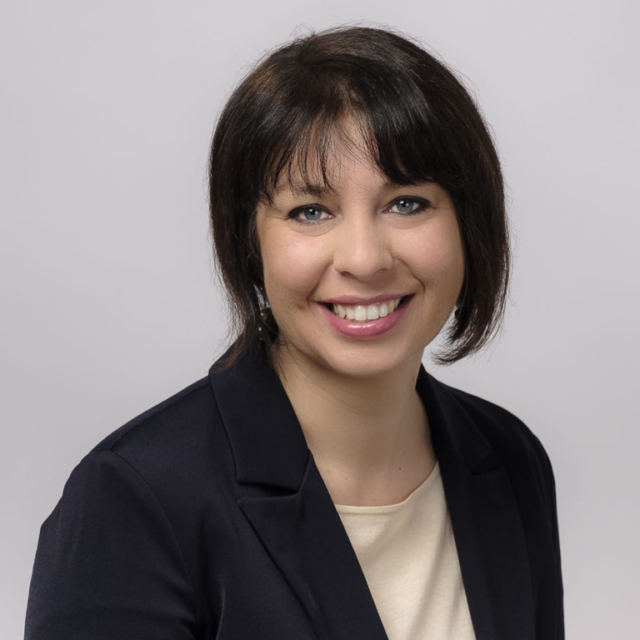
Beatrice Demarchi
Beatrice is a biomolecular archaeologist with a background in cultural heritage sciences. She specialised in ancient protein studies at the University of York, where she obtained her PhD in Archaeology (2010) and spent several years as a postdoc.
Beatrice is interested in the fundamental mechanisms underlying the diagenesis of biomolecules and the ways these can be used for obtaining information on the age, evolution and life histories of biomineralised tissues and organisms.
Since founding ArchaeoBiomics, she has broadened her research to encompass a wider spectrum of methods in archaeology, with a view to better understand the relationships between people and their environments in the past. She wishes to enable researchers from diverse backgrounds to pursue their research goals in her laboratory and with the support of her group.
Through her research and teaching in the Natural Sciences, Archaeology, and Sustainability Sciences, she tries to find new ways in which biomolecular archaeology can contribute to today’s environmental and social challenges.
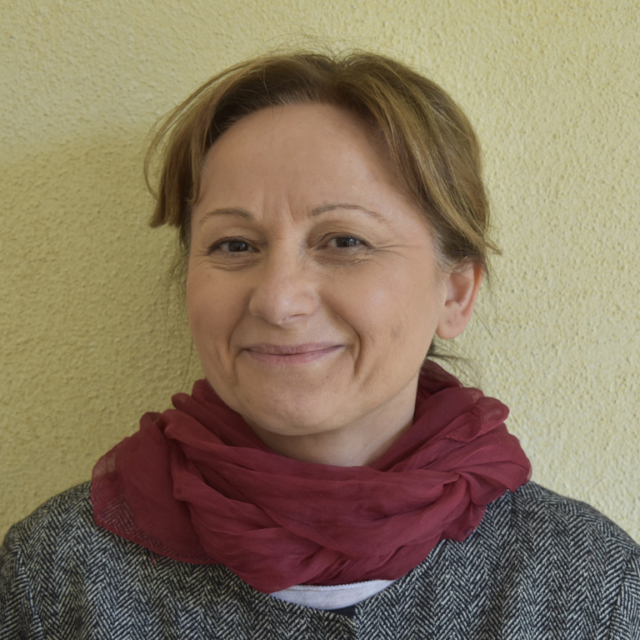
Rosa Boano
Rosa is an assistant professor and researcher in Biological Anthropology specialised in the study of human remains from archaeological contexts and in cataloging them. Her background is in Natural Sciences and museum practice.
Rosa uses physical anthropology methods to identify skeletal remains in order to understand the ways people lived in the past, with a focus on the Middle Ages in Piedmont. She coordinates research on the historical collection of human remains held by the Anthropology and Ethnography Museum of the University of Turin particularly the huge number of Egyptian mummies and skeletons.
She is interested in exploring the ethical aspects of studying and displaying human remains in museums and is very active in public engagement activities.
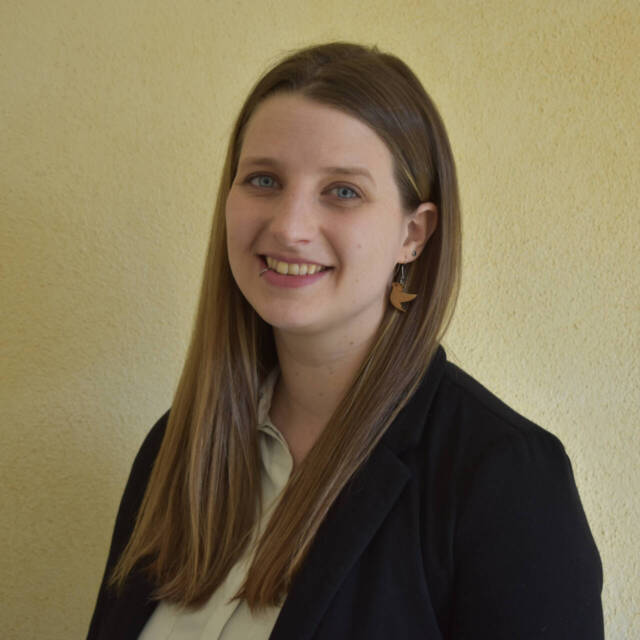
Maria C. Codlin
Maria is an archaeozoologist who employs multiple methodologies to address human-animal relationships in the past. Originally from New Zealand, she gained her PhD in 2022 from Boston University where she employed archaeozoology, stable isotopes and analysis of collagen peptides to understand the importance of wild animals and domesticated birds in the diet of people living in the ancient Mexican city, Teotihuacan. Her current research involves the use of palaeoproteomic techniques to improve taxonomic identification of avian remains from archaeological sites.
In 2022, she joined the ArchaeoBiomics team as a postdoctoral researcher on the project “Birds as a key line of evidence for human vulnerability and resilience to environmental shifts in a pre-agricultural context” funded by DFF – Independent Research Fund Denmark. Her role in this project is to develop new molecular indicators from proteins found in eggshell to identify which species of bird laid the egg. The project team will use this information to trace the breeding patterns of migratory birds which vary in response to human and environmental changes, like availability of water and vegetation. In 2023, Maria was awarded a Marie Skłodowska-Curie Actions European Postdoctoral Fellowship for her project AviCulture: The role of birds in sustainable urban subsistence at Teotihuacan Mexico. AviCulture integrates common zooarchaeological analysis with proteomic analysis to improve taxonomic identification of bone and egg remains. The project examines how turkeys, quails and aquatic birds were employed in food production in the ancient city of Teotihuacan Mexico, an important Mesoamerican city which preceded the Aztec empire in the region by over 1000 years. Through these birds, the project seeks to trace the development of avian husbandry practices and exploitation of aquatic animals, two subsistence strategies that were likely integral to success of urban development in Central Mexico.
Email:maria.codlin@unito.it

Meaghan Mackie
Meaghan is a biomolecular archaeologist examining ancient proteins from palaeontological, archaeological, and historic sources. Her background is in archaeology and social/cultural anthropology (BA University of Calgary, Canada) and she has an MSc in Bioarchaeology from the University of York, UK.
While her masters and now current PhD project (based at University College Dublin, supervised by Robert Power and Meriel McClatchie; co-supervised by Beatrice Demarchi and Cynthianne Spiteri of UniTo) focus on understanding diet and health in the past from dental calculus (mineralised plaque), she has worked on lots of materials, from bones and teeth, to ceramics, and even to paintings. She also has extensive experience analysing these samples by liquid chromatography–mass spectrometry (LC-MS) and will learn Sequential Thermal Desorption/Pyrolysis-GC-MS during her PhD to look at lipids and other biomolecules.
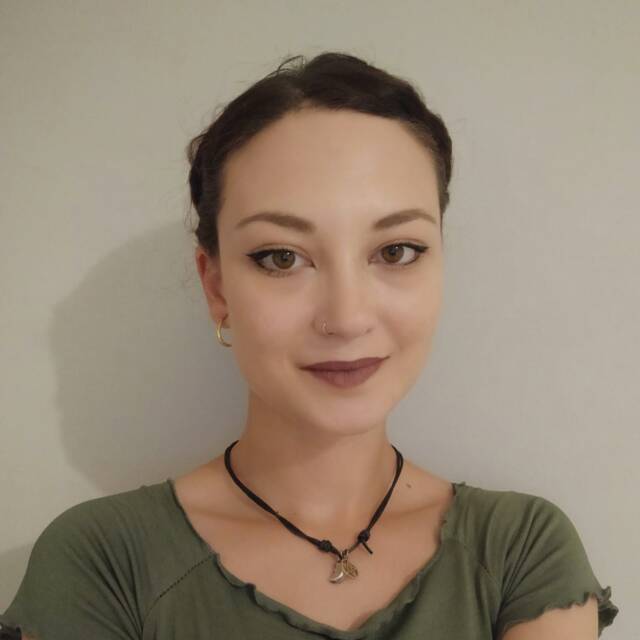
Marlisa Mazzola
Marlisa is a biomolecular archaeologist interested in human-animal interactions in the past, working on faunal remains using different biomolecular approaches such as aDNA, ancient proteins and isotopes. Her background is in Natural Sciences (MSc University of Torino), and she is currently doing a PhD in History and Archaeology – Studies on Heritage, Memory and Cultures based at University of Bologna, co-supervised by Beatrice Demarchi of UniTo.
During her MSc she worked on a project in collaboration with Muse – Museo delle Scienze of Trento – using ZooMS analysis to reconstruct the fauna of the Late Pleistocene site at Riparo Cornafessa (TN), where the earliest evidence of bear hunting using bow and arrow was discovered. After graduating she obtained a research bursary to carry out palaeoproteomics work in the lab at Turin, working on bird eggshell samples from prehistoric sites in the Eastern Mediterranean. During her ERASMUS Traineeship in Copenhagen she focused on morphometric methods applied to birds and mammals, and she learned the GMM method while working on anatids from sites in Eastern Jordan.
Her current PhD project concerns the application of different traditional and biomolecular archaeozoological approaches for the study of sheep and goat remains from Italian sites dated from the Middle Bronze Age to Early Iron Age as part of the HERDS project (LINK). This research will clarify breeding strategies, exploitation of secondary products, ancient origin of sheep and goat breeds, and it will shed light on the mobility and interactions between the communities that managed the flocks.
Email:marlisa.mazzola@unito.it
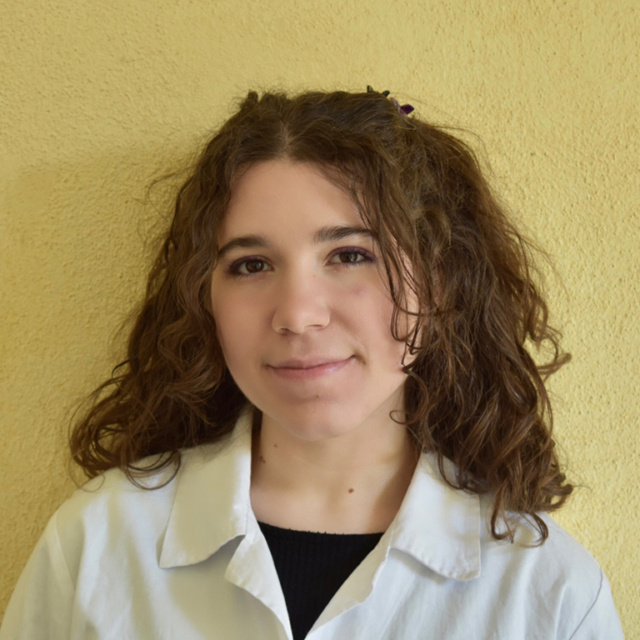
Sarah Sandron
Sarah is a bioarchaeologist interested in reconstructing osteobiographies. She works on dental calculus using different approaches, including micromorphological analysis and palaeoproteomics. Her background is in Natural sciences, she has a MSc in Sciences of Natural Systems (University of Turin) and she is currently a 1st year PhD student on Sustainable Development and Cooperation (SUSTNET – University of Turin), supervised by Beatrice Demarchi and Rosa Boano and in collaboration with historian Alison Beach (University of St. Andrews) and bioarchaeologist Anita Radini (University College Dublin).
Sarah worked as a predoctoral student on the project “From Text to Teeth: The Nuns of Santa Maria della Stella” in collaboration with the University of St. Andrews. For her PhD Sarah will continue the work on this 18th century monastic community, but she will also expand this to other Medieval and Postmedieval sites in Piedmont. This will allow her to track how people’s diet and health changed as a result of the “Columbian exchange”, which in this area had a huge impact – for example, cornmeal (polenta) and chocolate, two foods from the New World, which are now “traditional” staples of piedmontese cuisine.
Email:sarah.sandron@unito.it
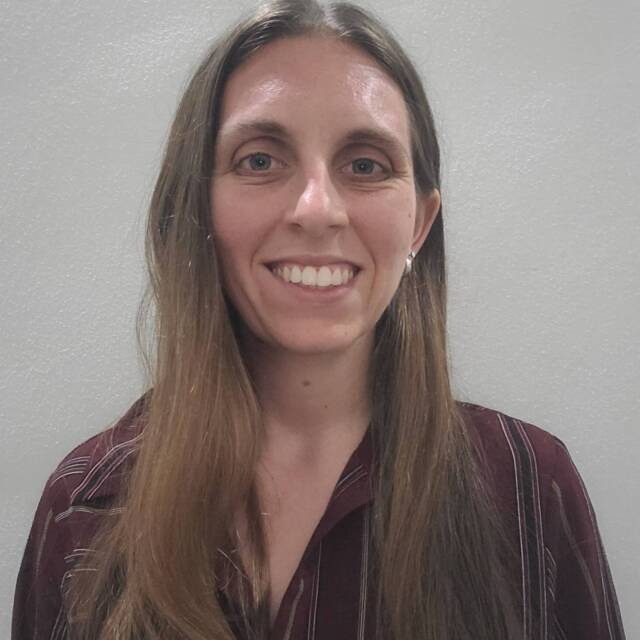
Rivka Chasan
Rivka is an archaeologist with a specialisation in lipid organic residue analysis and pre- and protohistoric archaeology. While originally from the United States, she gained her PhD in 2022 from the University of Haifa where she employed lipid residue analysis to understand dietary patterns in the Neolithic and Chalcolithic of the southern Levant. Since then, she has researched extensively the use and manufacture of resins and tars in prehistory using a biomolecular approach.
In 2024, Rivka joined the ArchaeoBiomics team as a Marie Sklodowska-Curie Actions European postdoctoral fellow, working on the project HEADS: Health, Embalming and Dating: Investigating Life and Death in Ancient Egypt. The project targets the mummified heads from the Marro collection of the Museum of Anthropology and Ethnography of the University of Turin, recovered from excavations at Asyût and Gebelein, Egypt. Using a multi-disciplinary approach that combines lipid residue analysis, palaeoproteomics, CT scanning, and radiocarbon dating, the project will paint a detailed picture of mummification practices and the past health of an ancient lower- and middle-class Egyptian population and place these within a robust chronological framework.
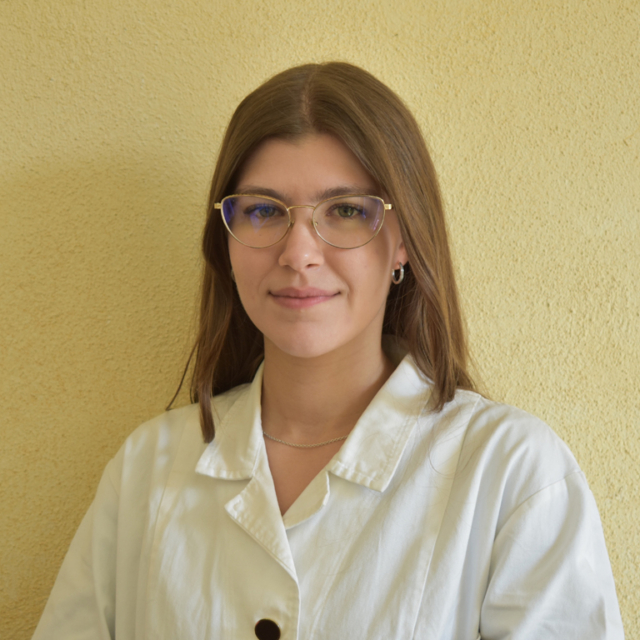
Katerina Carlotta Koukzelas
Katerina Carlotta is an archaeologist and anthropologist specialised in the recovery, documentation and study of human remains from archaeological contexts. She also gained experience in biomolecular archaeology (lipids and proteins) through her work both on the archaeological field and in the ArchaeoBiomics laboratory.
Her background is in Near Eastern and Eastern Mediterranean Archaeology (BA, MA, Specialisation University of Turin, Italy) with a focus on funerary archaeology, rituals and foodways. She is currently a PhD student at the University of Turin with a project titled “Life Before (and After) Katastrophé. Inferring social dynamics in Bronze Age Aegean using Bioarchaeology” focused on on foodways and culinary practices in the Aegean during the Bronze Age.

Scott D. Haddow
I’m a bioarchaeologist who obtained his PhD at the Institute of Archaeology, University College London in 2012. My doctoral research focused on the use of hereditary dental morphological traits to assess the biological affinities of a Late Roman Period skeletal population from the Dakhleh Oasis, Egypt. I’ve also conducted fieldwork and research in Turkey, Israel, Sudan, Italy, England, Mexico, Canada and the US. My research interests in Neolithic Near Eastern funerary practices developed while I was a member of the Çatalhöyük Research Project between 2004 and 2017.
My current research focuses on delayed burial and other Neolithic secondary treatments of the body, including the retrieval, circulation and redeposition of crania and other skeletal elements. I’m currently using histotaphonomic techniques to determine whether certain individuals underwent defleshing and/or desiccation prior to interment. The aim is to provide novel scientific evidence for these funerary treatments based on microscopic analysis of bone tissue in order to assess the degree of cortical bone bioerosion. A lack of bioerosion may indicate an attempt to halt the decomposition process, either by removal of soft tissue or rudimentary mummification. Since 2012 I’ve also tried to incorporate 3D modelling techniques and GIS spatial analyses into my archaeological field research. The application of these techniques has proven highly successful for recording the complicated sequence of intercutting burials found under house floors at Çatalhöyük and permits me to more accurately plot the varied spatial distribution of complete skeletons as well as loose skeletal elements such as crania and mandibles recovered from the site in a variety of depositional contexts. At Copenhagen University I’m now expanding my histotaphonomic studies to other sites in the Near East while developing new methodologies to further explore the nature of secondary burial practices beyond the Neolithic period.

Jan Dekker
Jan is a biomolecular archaeologist specialised in the study of ancient proteins. In 2025 he joined the ArchaeoBiomics team as part of the AviArch project. His part of the project will focus on method development for the extraction and analysis of proteins from eggshell, in particular the validation of new biomarkers for additional bird species. Jan started his studies at the University of Leiden, the Netherlands, where he obtained his BA and MSc in Archaeology. He then undertook a joint PhD programme at the University of York, the UK, and the University of Copenhagen, Denmark. His PhD project concerned the proteomic analysis of foodcrusts and focused in particular on establishing the accuracy and precision of protein-based taxonomic identifications from foodcrust.

Camilla Mazzucato
Camilla is an archaeologist and anthropologist specialized in the study of the Neolithic of Southwest Asia. Her research interests center on the Neolithic of Southwest Asia and include the investigation of social organization of Neolithic communities, the archaeology of kinship and of human-animal relations. She has extensive experience as a GIS Specialist for several major archaeological projects. For her PhD research at Stanford University, she applied Network Science methods to the study of the social arrangment of the Neolithic site of Çatalhöyük (TR). She was a postdoctoral researcher at the University of Copenhagen from 2021 to 2023 with the Project “Birds as a key line of evidence for human vulnerability and resilience to environmental shifts in a pre-agricultural context”. She joined AviArch in 2025, where she will lead WP5 and use archeological network methods to integrate and analyze the different datasets produced by the project.

Ramazan Parmaksız
Ramazan Parmaksız graduated from the Department of Prehistoric Archaeology at Istanbul University in 2021. During his undergraduate studies, he gained experience in zooarchaeology as an Erasmus exchange student at Groningen University in the Netherlands in 2018 and 2020. He completed his master’s degree in Geoanthropology at Istanbul Technical University in 2024. During his master’s program, he gained laboratory experience in Zooarchaeological Mass Spectrometry (ZooMS) at the Max Planck Institute of Geoanthropology in Germany. His research interests focus on zooarchaeology, proteomics, and the role of avifauna in prehistoric societies.
He joind AviArch as a ERC doctoral student. For his thesis he will investigate bird management practices in early societies, spanning the Epipaleolithic to the Late Pre-Pottery Neolithic periods in Southwest Asia, with a focus on Central Anatolia, Southeastern Anatolia, and the Levant.